
I Recreated GPT-6 Astra's Viral Portrait Test. The Hype Didn't Survive.
GPT-6 Astra's portrait demos go viral with real computer use, no code, mouse and clicks only. We ran two of our own tests, a bicycle and a face, and found the same pattern twice: the demo conditions do most of the work the model gets credit for.
Desktop computer-use demos have been going viral for weeks. An agent moves a real mouse, opens a real app, and produces something that looks hand-drawn. One clip of a portrait in Canva has 1.9M views and a caption calling the details "crazy."
I didn't want an opinion about that. I ran two tests myself, on a mechanical object and on a face, and checked the receipts on both.
Test 1: a bicycle, timed and priced
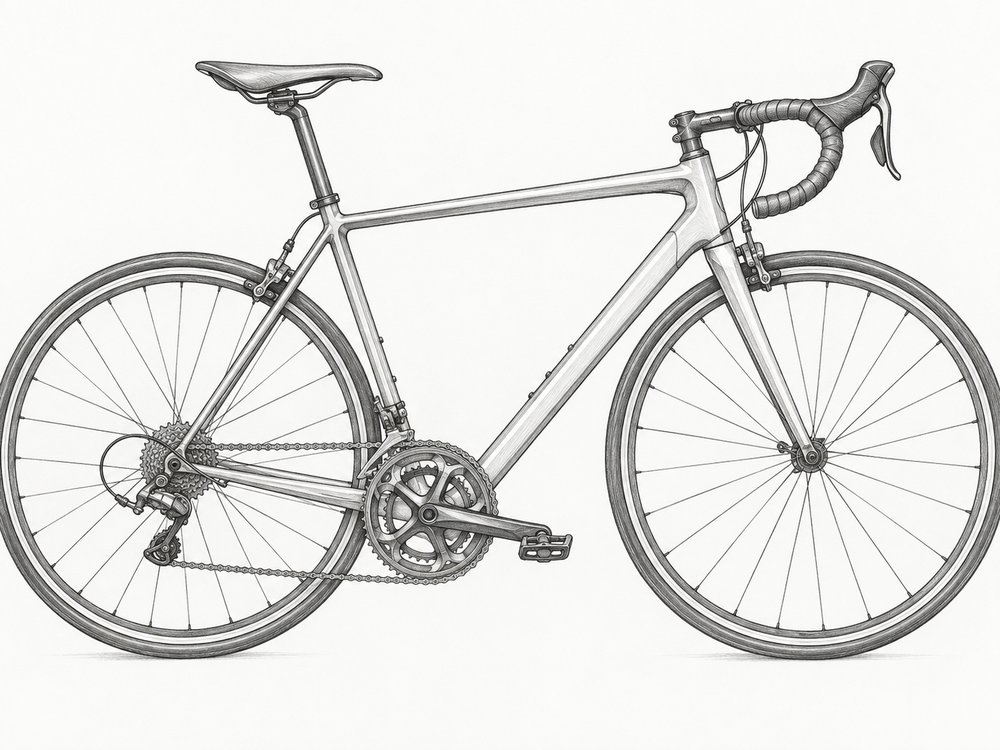
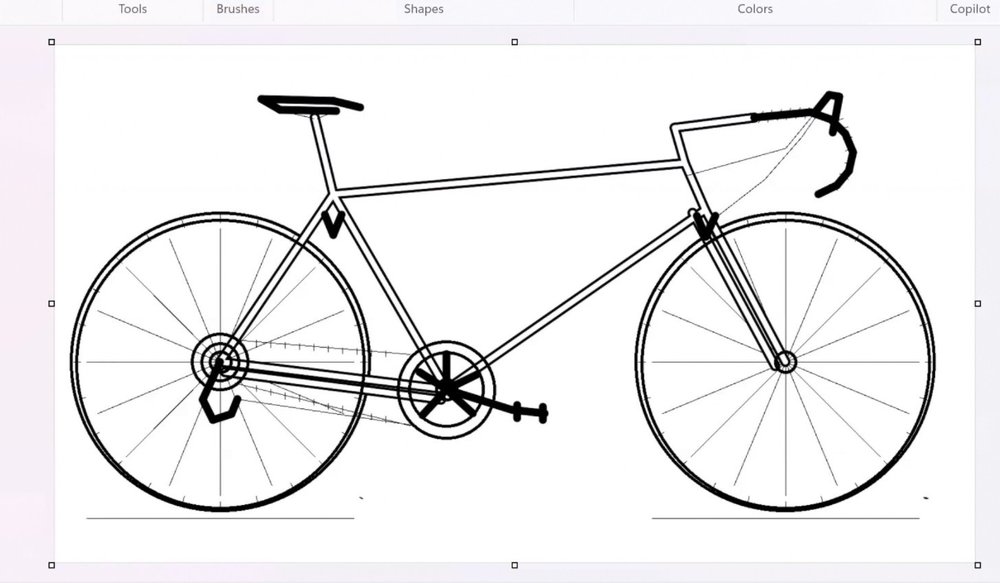
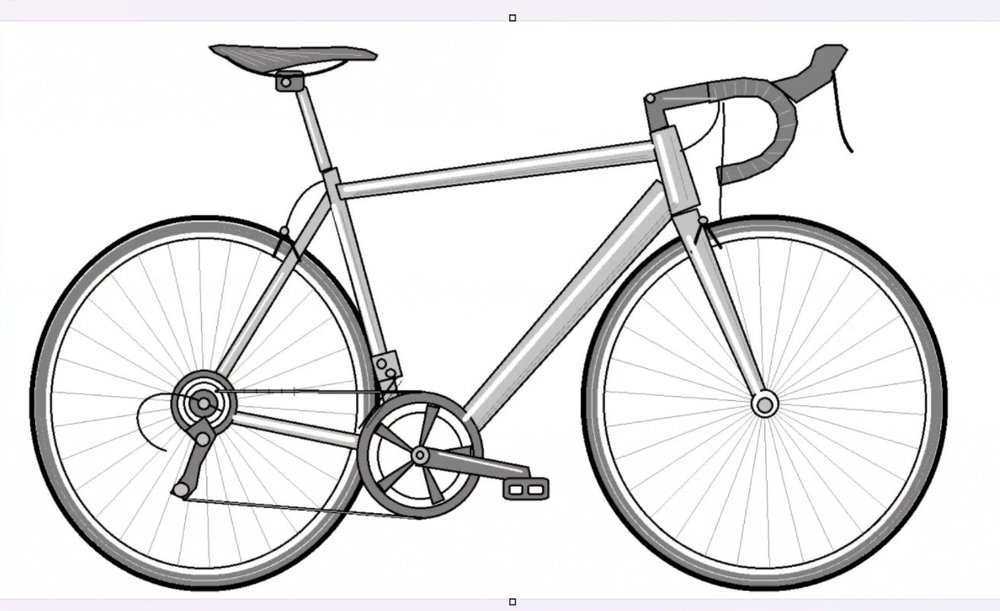
The task: reproduce a reference bicycle image inside MS Paint, using Codex's computer use — screenshots, mouse moves, clicks — and nothing else. No code, no SVG, no canvas API.
Both runs used Codex computer use, set to xhigh reasoning effort, same reference image, same machine. Only the model changed: GPT-6 Astra against GPT-5.6 Sol.
Reference
Sol
Astra
Sol
Astra
Sol
50x speed · 12m 40s real time
Astra
100x speed · 59m 09s real time
Astra drew the better bicycle — drop bars, a shaded down-tube, a more detailed drivetrain. It also took 5.3x more turns and cost ~21.5x more than Sol for it. Output tokens, the ones that actually hold reasoning, were close between them (1.8x). The entire cost gap sat in cached input: Astra re-sent something close to the full screenshot on 306 turns instead of Sol's 58, paying to re-observe a screen that hadn't changed much between clicks.
Full breakdown, full transcripts linked at the bottom.
Test 2: a face, judged on likeness
For the second test I gave Astra a reference headshot (AI-generated, not a real person) and one instruction that mattered: don't paste the image into Canva, draw it with the mouse. High reasoning effort, one unedited session, 12m 18s, 2.6M tokens.
Reference (AI-generated test photo)

Astra's result (Canva, High effort)
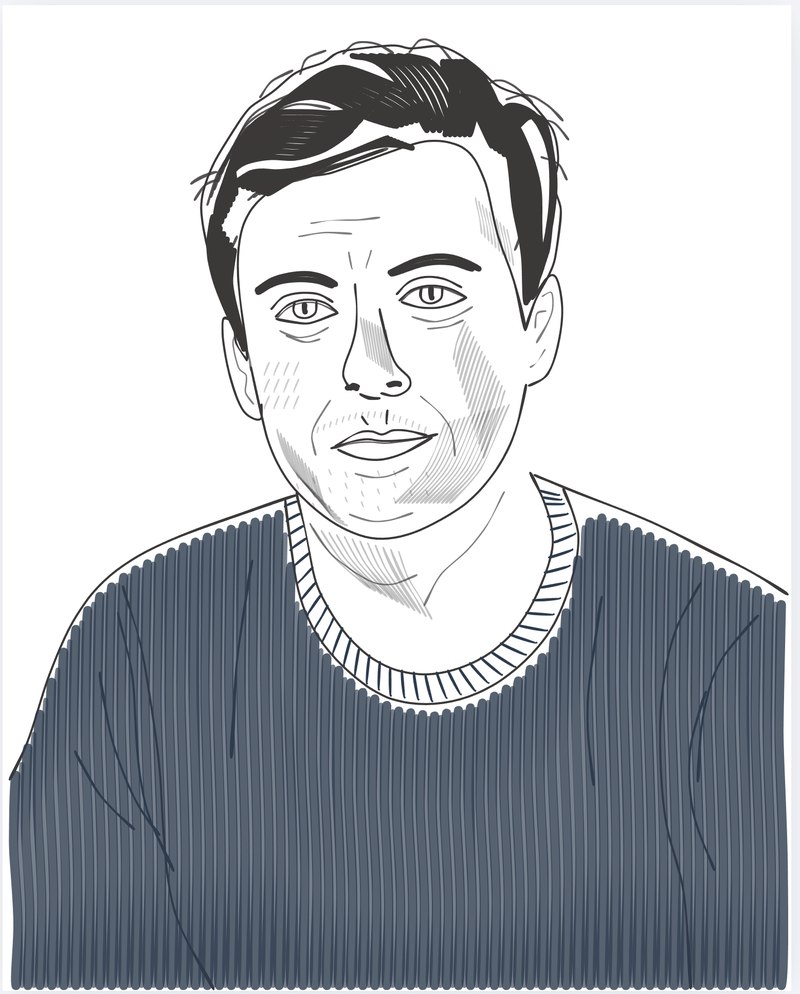
Astra
30x speed · 12m 18s real time · 2.6M tokens
The execution is real. Watch the recording: a blank canvas, a rough outline appearing stroke by stroke, then shading added in passes. Nothing traced, nothing pasted.
The likeness isn't there. The eyebrows are a generic straight shape, not the reference's natural arch. The eyes are illustration-eyes, not the reference's deeper-set ones. The nose is simplified into a shaded triangle. The sweater comes out as heavy vertical ribbing when the reference sweater has none of that texture. It's a competent portrait illustration of a dark-haired man in a sweater. It is not a likeness of this dark-haired man in this sweater.
Why the viral ones look so much better
Compare that to the clip everyone's actually reacting to: a portrait drawn from a photo of a bearded man in a white t-shirt, standing against a lake with blue water and green mountains behind him. The result is a blocky, painterly mosaic of color patches. It reads as an obvious likeness at a glance.
It's not that Astra reproduced that face more precisely. It's that the test was easier in two ways at once.
The style hides errors. A blocky, coarse rendering swallows small mistakes in eye spacing or jaw shape into chunky patches of color. A clean line illustration, like Astra's attempt at my reference photo, has nowhere to hide — every proportion is exposed.
The subject handed the model shortcuts. Beard, short hair, a white shirt, a blue-and-green lake background: four high-contrast regions that read as "recognizable" almost by color alone, no facial geometry required. My reference photo was a clean headshot against a neutral background, wearing a sweater close in tone to the background. There was no shortcut available. All the identifying signal had to come from getting the actual face right, which is exactly the part freehand mouse control is weakest at.
So the viral demo isn't fake. It's just testing something easier than what it looks like it's testing, and a plain, no-tricks version of the same task shows the gap.
What both tests say about computer-use agents
Same lesson twice, from two different angles. The bicycle test showed that a computer-use agent's cost and speed depend on how disciplined its loop is, not on how smart the model is per step. The face test shows that a demo's apparent accuracy depends on how forgiving the subject and rendering style are, not on how accurately the model actually reconstructed what's in front of it.
Neither finding means the underlying capability is fake. Both mean the same thing: judge a computer-use agent by a controlled, undramatic test, not by whichever clip picked the easiest conditions to look impressive in.
Sources and further reading
Try it
An agent that investigates before it edits.
TheGitAI searches your repository, reads what it finds, runs your tests, and verifies the change — from one terminal session.